How to Track and Understand Animal Movement Patterns
Animal movement patterns are the repeating ways an animal travels, rests and explores across a day. For rabbits, you track them by watching, logging and comparing what’s normal for your own pet. A steady pattern means a settled rabbit. A sudden change often points to stress, pain or illness.
By Jane Smith, Rabbit Behaviorist and educator with Rabbit Community of America
You’ve noticed your rabbit skipped its evening zoomies, and you can’t say when that started. A movement log fixes that. This guide shows you how to build one and what to do with it.
What Are Animal Movement Patterns?
Animal movement patterns are the regular routes, speeds and rest cycles an animal follows each day. In rabbits, they include where your rabbit hops, how often it rests and when it feels most active. Every rabbit has its own baseline. Learning that baseline is the first step in spotting trouble.
Rabbits are crepuscular, which means they’re most active at dawn and dusk. Your rabbit may nap all afternoon and then race around the living room at 7 p.m. That’s normal.
Wild rabbits follow set paths between burrows and feeding spots. Your house rabbit does the same indoors. It picks a favorite loaf spot, a route to the water bowl and a corner for droppings.
Why Is Tracking Animal Movement Important?
Tracking movement shows you changes before they become emergencies. Rabbits hide pain well, so a slower hop or a skipped meal may be your only warning. A written record also gives your vet facts instead of guesses. That helps them decide faster what’s wrong.
Rabbits are prey animals, so they hide weakness by instinct. By the time a rabbit looks sick, the problem has often run for a while.
Tracking helps you in three ways:
- Early warning. A drop in activity often shows up before other signs.
- Proof of what works. You can see whether a new toy or a bigger pen gets your rabbit moving.
- Better vet visits. Dates and details beat “he seems off.”
Movement also shows mood. A rabbit that paces by the door at night may be lonely. Our guide on whether rabbits get lonely explains the signs.
Common Animal Movement Patterns
Rabbits show a handful of common movement patterns. The main ones are hopping, binkying, thumping, grooming, loafing and digging. Each one tells you something about mood and health. Learn them first, because they form the baseline everything else gets compared to.
| Pattern | What it looks like | What it usually means |
|---|---|---|
| Zoomies | Fast hops and sharp turns | Excess energy and comfort |
| Binky | A leap with a twist in midair | Joy |
| Thump | A hard stamp of the hind foot | Alarm or annoyance |
| Loaf | Paws tucked under a relaxed body | Calm and safe |
| Digging | Scratching at floors or blankets | Boredom, nesting or instinct |
| Hunch | A tight body that won’t move | Pain or fear |
Stillness matters as much as motion. A rabbit that sits hunched and tense may be in pain. A rabbit that freezes when you approach may be afraid. Our post on why your rabbit is suddenly scared of you covers the causes.
How to Track Animal Movement
Start with a simple daily log in a notebook or phone app. Note when your rabbit is active, where it goes and how long it rests. Do this for two weeks to find your rabbit’s baseline. Keep the entries short so you’ll actually keep doing it. Then compare new days against that record.
Follow these steps:
- Pick three check-in times, such as morning, evening and bedtime.
- Note whether your rabbit is resting, eating, hopping or hiding.
- Mark which parts of the room your rabbit uses.
- Add appetite, water intake and droppings to each entry.
- Review the log every week and look for changes.
Litter box habits also count as movement data. A rabbit that suddenly skips its box is changing its routine for a reason. Our guide on litter training rabbits shows what normal looks like.
Your log also tells you where to look when your rabbit goes missing. Rabbits favor the same hiding spots. Our guide on finding a lost bunny in your house covers the usual ones.
Understanding Movement Patterns in Different Small Animals
Each small animal moves in its own way, so you can’t use one animal’s baseline for another. Rabbits hop and roam in short bursts. Guinea pigs, hamsters, chinchillas and ferrets follow different schedules. Knowing the differences keeps you from reading normal behavior as a problem. Here’s how rabbits compare.
Rabbits
Rabbits move in short bursts of hopping and long stretches of rest. They peak at dawn and dusk. Most healthy rabbits show a steady rhythm of eating, hopping, grooming and loafing.
Breed adds another layer. Our Flemish Giant profile and Holland Lop profile show how size changes the space a rabbit needs.
Bonded pairs usually rest and groom together. If one stops joining in, check on it.
Guinea Pigs
Guinea pigs move in quick dashes and sudden hops called popcorning. They stay active in short bursts through the day and night. Watch for a guinea pig that stops hopping or stays in one corner.
Hamsters
Hamsters are mostly nocturnal, so they run, dig and forage after dark. A wheel is a normal part of that routine. A hamster that abruptly stops using its wheel deserves a closer look.
Chinchillas
Chinchillas are most active at dusk and through the night. They leap between ledges and roll in dust. A chinchilla that stops jumping may be in pain.
Ferrets
Ferrets sleep much of the day and wake in bursts of play. Their wild, sideways hopping is normal. A ferret that won’t play after waking may be unwell.
What Factors Affect Animal Movement?
Age, health, housing, temperature, social bonds and stress all change how your rabbit moves. Most changes are normal and short. A change that sticks around, or comes with appetite loss, needs attention. Look at the whole picture before you decide something’s wrong.
These factors shape your rabbit’s day:
- Age. Young rabbits race around. Seniors slow down and may stiffen.
- Space. A small pen limits hopping. A rabbit with room to run moves more.
- Temperature. Rabbits handle heat poorly, so they may lie flat and move less on hot days.
- Companionship. Bonded rabbits move together. A lonely rabbit may pace or withdraw.
- Stress. Loud noise, new pets and unfamiliar guests make rabbits freeze or hide.
- Diet. A weak diet saps energy and slows the gut.
Diet deserves a closer look, because food drives gut health and energy. Our guide on what rabbits can eat daily covers the safe staples. Housing basics sit in our Rabbit Care 101 guide.
Which Tools Track Animal Movement?
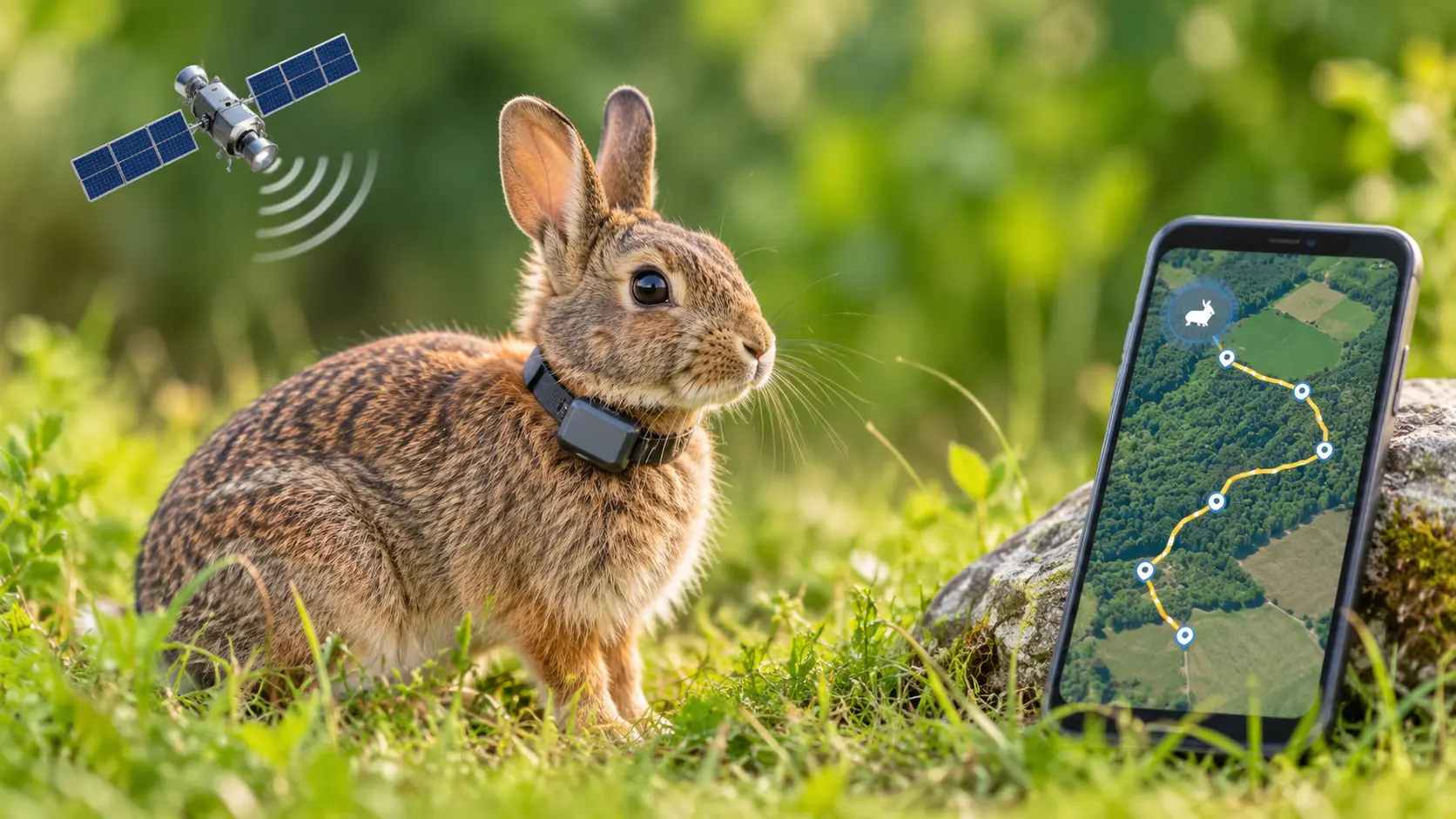
You can track a rabbit with a notebook, a phone camera, a pet camera or a motion-sensing camera. Wearable GPS collars suit wild animals more than house rabbits. For most guardians, a simple camera plus a written log gives the clearest picture at low cost.
| Tool | Best for | Watch out for |
|---|---|---|
| Notebook or spreadsheet | Daily logs and trends | It takes a steady habit |
| Pet camera | Night activity you’d miss | It needs a view of the whole space |
| Motion-sensing camera | Alerts when your rabbit moves | It may miss a still, hunched rabbit |
| GPS or radio collar | Wildlife research | It’s unsafe for pet rabbits |
A camera catches the midnight activity you sleep through. Many pet cameras send motion alerts to your phone. Pair the footage with your written log so the two confirm each other.
Skip collars on rabbits. Their delicate necks and love of tight spaces make snags a real risk.
How to Interpret Animal Movement Data
Compare each new day against your rabbit’s own baseline. A single odd day means little. A trend over several days means more. Look for changes in how much, where and when your rabbit moves. Then match them against appetite, droppings and mood.
| Change you see | A harmless cause | A possible concern |
|---|---|---|
| Less hopping | A warm day or a new nap spot | Pain or illness |
| More hiding | A new noise or a house guest | Fear or illness |
| Pacing or circling | Excitement | Boredom or loneliness |
| Skipping the litter box | A rearranged room | Urinary or gut trouble |
Context turns data into meaning. Ask what else changed that day. A new rug, a house guest or a heat wave can explain a lot.
Take the log to your vet. Vets work from facts, and dates help them decide what to check first.
When Changes in Movement May Indicate Health Problems
Call your vet if your rabbit stops eating, stops pooping, sits hunched or can’t hop normally. These signs can mean gut stasis, pain or injury, and rabbits can decline fast. Don’t wait to see if it passes. Find a rabbit-savvy vet to examine your rabbit.
Gut stasis means the digestive tract slows or stops. Rabbits can’t vomit, so a blocked gut gets serious quickly.
Call your vet right away if you see any of these signs:
- No eating or drinking
- No droppings, or only tiny ones
- A hunched posture with loud tooth grinding
- A head tilt, circling or loss of balance
- Dragging or refusing to use the back legs
- A bloated or hard belly
Our Rabbit Care 101 guide covers the daily care basics worth building your log around.
You know your rabbit better than anyone. Trust the log, and trust your gut when something looks off.