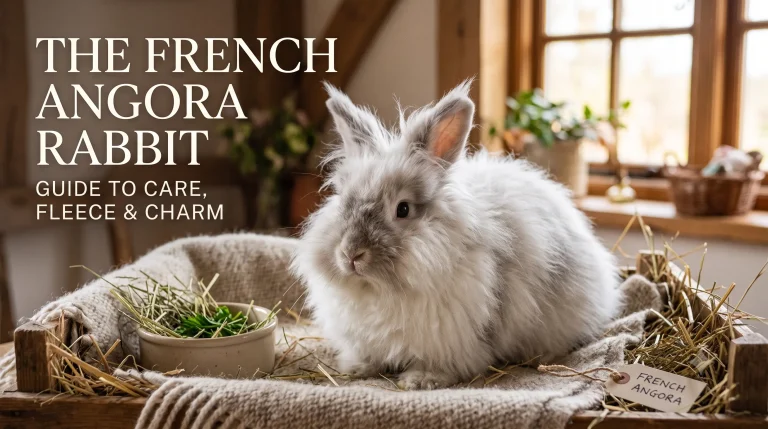
Jersey Wooly Rabbit Breed
The Jersey Wooly is a small American rabbit with a wool coat and a short, rounded face. Adults weigh about 3 pounds. The American Rabbit Breeders Association (ARBA) caps show weight at 3.5 pounds. Breeder Bonnie Seeley developed the breed in New Jersey, and ARBA recognized it in 1988.
What Is a Jersey Wooly Rabbit?
A Jersey Wooly is a small, wool-coated rabbit with a round body and a short, rounded face. Adults weigh about 3 pounds. Bonnie Seeley developed the breed in New Jersey to give pet owners a tiny rabbit with an easier coat than an Angora.
Rabbit people call them woolies. The breed has erect ears, a gentle reputation and a coat that needs steady attention.
This guide covers history, size, looks, colors, temperament, grooming, diet, housing, health and where to find one.
| Trait | Jersey Wooly |
|---|---|
| Origin | High Bridge, New Jersey, United States |
| First shown | 1984 ARBA Convention, Orlando, Florida |
| ARBA recognition | 1988 |
| Show weight | About 3 pounds, 3.5 pounds maximum |
| Ears | Erect, 3 inches maximum for show stock |
| Coat | Wool |
| Temperament | Docile and gentle |
Where Did the Jersey Wooly Come From?
Bonnie Seeley of High Bridge, New Jersey, created the Jersey Wooly. She introduced the breed at the 1984 ARBA Convention in Orlando, Florida. ARBA recognized it four years later, in 1988 (ARBA breed page, accessed November 4, 2026).
Seeley wanted a small pet rabbit with wool that was easy to care for. The name fit her home state and the coat.
Her early woolies ran larger than she liked. In 1981 she bred three of them to Netherland Dwarfs to cut their size, according to the National Jersey Wooly Rabbit Club (NJWRC) 2025 guidebook. Those crosses also passed on mismatched and white toenails. The ARBA standards committee still accepted the first showing.
Accounts differ on the exact parent breeds. Some sites name the French Angora. The club’s own history credits the Netherland Dwarf crosses.
Today ARBA calls the Jersey Wooly one of the most popular breeds exhibited in the United States and abroad.
How Big Does a Jersey Wooly Get?
A Jersey Wooly weighs about 3 pounds as an adult. ARBA sets the maximum at 3.5 pounds. Show breeders aim near 3 pounds, so most healthy pet woolies land close to that mark.
Pet rabbits don’t always match the show standard. A rescue wooly may weigh a little more or less than the breed ideal.
Weigh your rabbit once a month on a kitchen scale. Write the number down. A slow climb points to too many pellets or treats. A drop without a diet change calls for a vet visit.
Small does not mean low-maintenance. A 3-pound rabbit still needs room to run, stretch and stand tall on its back legs.
What Does a Jersey Wooly Look Like?
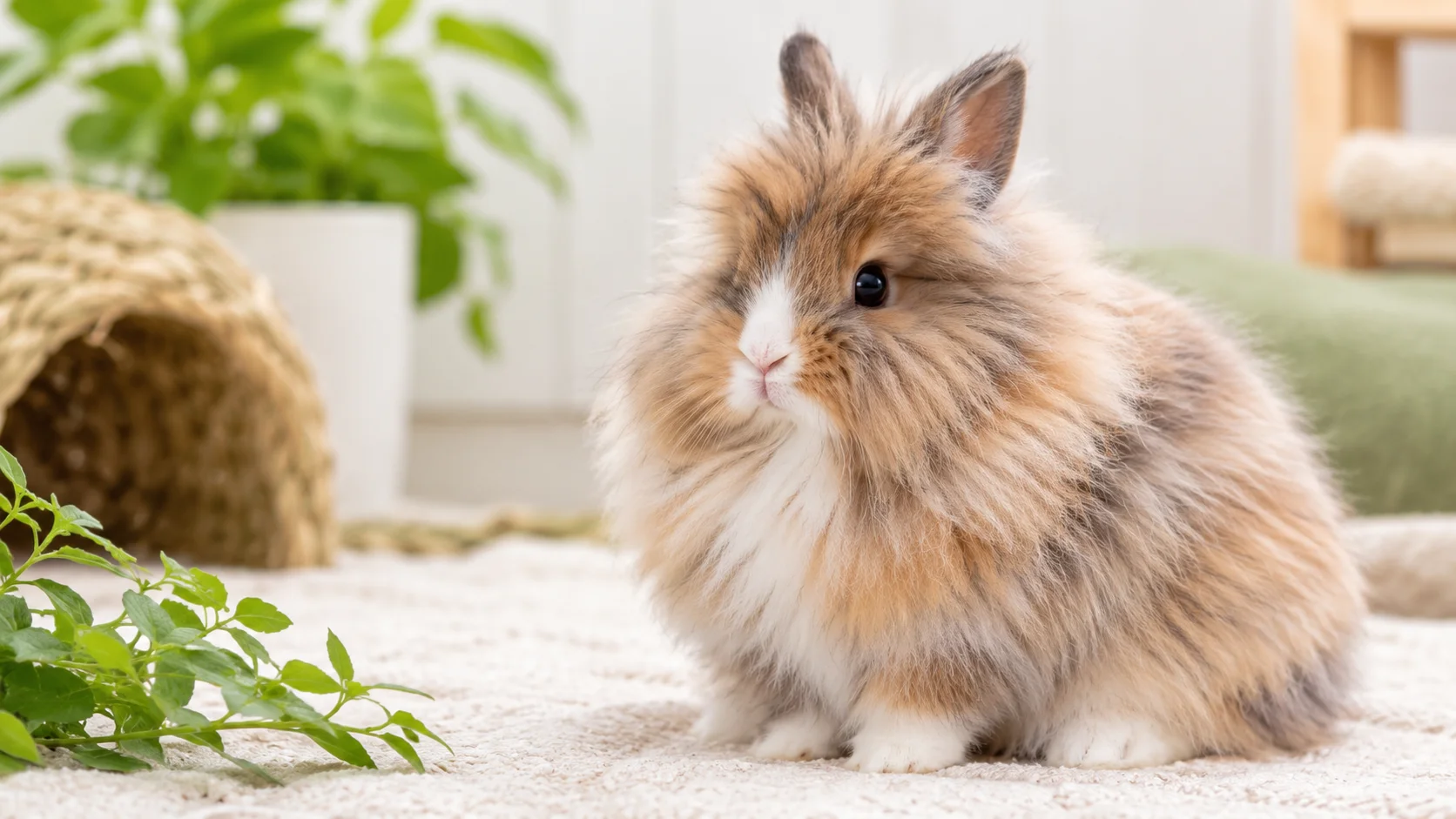
A Jersey Wooly has a compact, rounded body, a short neck, a mug-shaped head and erect ears. Dense wool covers the body. The ears measure 3 inches at most on show stock, per the ARBA Standard of Perfection.
The head matters most in the show ring. Judges award the head and ears the most points.
The features that set the breed apart include
- A bold, blunt face with a short muzzle
- Small, upright ears set close together
- A rounded body that sits low to the ground
- Soft, dense wool that stays easier to handle than Angora wool
No two woolies carry exactly the same coat. Wool density and texture vary from rabbit to rabbit.
Jersey Wooly Colors and Coat Types
ARBA recognizes the Jersey Wooly in six color groups. Colors include white, black, blue, chocolate, chinchilla, opal and tortoiseshell. Broken patterns show white with a second color. Ask a breeder which group a rabbit belongs to.
Color affects more than looks. The breed’s history shows how toenail color can mismatch the coat. White nails on a colored rabbit counted as a flaw in the early years.
Seeley asked ARBA to judge woolies by group instead of by variety. Variety classes would have held only one or two rabbits each. Group judging gave the breed a fair chance at Best in Show.
Your rabbit’s color does not change its care. Pale wool shows stains faster, so you’ll spot soiling sooner on a white wooly.
Jersey Wooly Temperament and Personality
Jersey Woolies have a gentle, docile reputation. Many enjoy attention and settle into a home quickly. Their calm nature draws first-time owners. Still, each rabbit has its own personality, and a calm breed can produce a nervous individual.
A rabbit is a prey animal. Being scooped up from above feels like a hawk attack. Sit on the floor and let your wooly come to you. Support its back legs whenever you lift it.
If your rabbit suddenly flinches at your hand, read why your rabbit may be scared of you. Pain often sits behind a change in mood.
Woolies also get lonely. Read more on whether rabbits get lonely. Many do well with a spayed or neutered partner, introduced slowly. The House Rabbit Society (HRS) explains the bonding process on rabbit.org.
How Do You Groom a Jersey Wooly?
Brush a Jersey Wooly with a soft brush several times a week. Check the rear end every day for soiled wool. Don’t bathe your rabbit. Spot clean with a dry cloth and ask your vet before you cut any wool.
Wool is the breed’s best feature and its biggest chore. Loose wool can mat. A rabbit that swallows loose wool risks a blockage.
Gather these tools before your first session
- A soft slicker brush
- A wide-tooth comb for gentle detangling
- Rabbit nail clippers
- A dry cloth for spot cleaning
Go slowly. Rabbit skin tears easily, and a rabbit that struggles can injure its spine. Keep your wooly on a non-slip towel on your lap or on the floor.
Expect heavier shedding during a molt. Brush more often then. Trim nails on a regular schedule too.
Jersey Wooly Diet and Feeding
A Jersey Wooly needs unlimited grass hay every day. Add a daily portion of leafy greens and a small measure of plain pellets. Keep treats rare. Hay feeds the gut, wears down teeth and helps move swallowed wool through the digestive tract.
The HRS lists hay as the largest part of a healthy rabbit diet. Skip the hay for even a few days and your rabbit’s gut can slow into an emergency.
A simple daily plan looks like this
- Unlimited timothy or other grass hay
- A handful of fresh leafy greens, introduced one at a time
- A small, measured portion of plain pellets
- Fresh water in a heavy bowl
Ask your vet how many pellets suit a 3-pound body. Browse what rabbits can eat daily before you offer a new food.
Sugary fruit works as an occasional treat only. Rabbits gain weight fast, and extra weight makes grooming harder.
Housing, Exercise and Litter Training
Keep a Jersey Wooly indoors in a quiet, cool room with a large exercise pen. Add a hiding box, a litter box with hay and a solid floor. The HRS recommends indoor housing. A small body still needs space to hop.
Heat is a danger for woolies. Wool holds warmth. Keep the room cool and out of direct sun. A ceramic tile gives your rabbit a place to stretch out.
Litter training matters more with a wool coat. Urine soaks into long wool and irritates the skin. Learn the basics in our guide on litter training a rabbit.
Offer daily time outside the pen. Rabbit-proof the floor first. Cover cords and block gaps behind furniture. Provide chew toys such as untreated willow or cardboard so the couch stays safe.
Jersey Wooly Health Problems to Watch For
Jersey Woolies share the health risks of all rabbits, plus a few tied to their coat and short face. A rabbit that stops eating or pooping needs a vet the same day. Find an exotics vet before you need one.
Watch for these problems
- Gastrointestinal stasis, a slowdown of the gut that can turn fatal fast
- Wool block, a mass of swallowed wool that traps food
- Dental disease, because rabbit teeth grow constantly and a short face can crowd them
- Flystrike, when flies lay eggs on soiled wool in warm months
- Mites and skin problems hidden under dense wool
- Snuffles, a respiratory infection that shows as sneezing and a wet nose
- Heat stress in warm rooms
The Merck Veterinary Manual covers these conditions in its rabbit sections. Spaying or neutering also lowers some reproductive risks, according to the HRS.
Part your rabbit’s wool every week and look at the skin. Early catches are cheaper and kinder.
How Long Do Jersey Woolies Live?
Jersey Woolies often live 7 to 10 years. Good care shapes that range. Indoor housing, unlimited hay, spay or neuter surgery and regular vet checks give your rabbit the best chance at the long end.
Treat a wooly as a decade-long commitment. You’ll groom it, feed it and pay for vet care for years. Plan for that before you bring one home.
Senior rabbits slow down. Watch for stiff joints and weight loss. Ask your vet about senior checkups.
Are Jersey Woolies Good for First-Time Owners?
Yes, for patient first-time owners. Woolies have a gentle reputation and a small size. Their wool coat adds daily work that new owners often underestimate. Expect to groom, check and clean up after your rabbit regularly.
The breed fits you if you
- Enjoy short grooming sessions
- Can keep a cool, quiet home
- Will find an exotics vet
- Plan for a rabbit that lives many years
The breed may not fit if you travel often or want a hands-off pet. Read our list of pros and cons of rabbits as pets before you decide.
With young children, supervise every interaction at floor level. Small rabbits injure easily when dropped.
Jersey Wooly vs Similar Breeds
The Jersey Wooly is heavier than a Netherland Dwarf and lighter than a Holland Lop. Its ears stand upright like a Netherland Dwarf’s. Its coat is wool, so it needs more grooming than either breed.
| Trait | Jersey Wooly | Netherland Dwarf | Holland Lop |
|---|---|---|---|
| ARBA maximum weight | 3.5 pounds | 2.5 pounds | 4 pounds |
| Ears | Erect | Erect | Lop |
| Coat | Wool | Short fur | Short fur |
| Grooming need | Regular brushing | Light | Light |
Angoras carry longer wool and need far more grooming. The woolly look drew Seeley to build an easier-care option.
Compare lop breeds in our posts on Holland Lop vs Netherland Dwarf and Holland Lop vs Mini Lop. Our Holland Lop profile and Mini Plush Lop profile give more detail.
Where Can You Find a Jersey Wooly?
You can find a Jersey Wooly through a rescue, an ARBA breeder or the NJWRC. Visit the rabbit in person. Ask to see the parents. Choose a seller who answers health questions and offers a vet record.
Start with local rescues and HRS chapters. Woolies do turn up in shelters.
Ask a breeder these questions
- Can I meet the parents and see the housing?
- What health history do the parents have?
- At what age do you rehome kits?
- Will you take the rabbit back if my plans change?
Walk away from a seller who hides the living space or pushes a quick sale.
Showing and Breeding Jersey Woolies
ARBA judges Jersey Woolies by group. Head and ears earn the most points. A pet owner can enter a show, but breeding calls for study of genetics and health. Spay or neuter a pet rabbit instead.
The NJWRC offers a breed guidebook and club support for new exhibitors. ARBA publishes the Standard of Perfection that judges use.
Breeding adds risk and cost. Litters can overwhelm a new owner. Shelters already hold many rabbits.
Jersey Wooly Rabbit FAQ
Do Jersey Woolies need haircuts?
Most Jersey Woolies need brushing, not haircuts. Brush several times a week and check the rear for soiled wool. Ask your vet or an experienced breeder before cutting any wool. A trim around the rear sometimes helps rabbits that soil easily.
Are Jersey Woolies hypoallergenic?
No rabbit breed is hypoallergenic. Allergic people can react to dander, saliva or hay. Spend time with a rabbit and its hay before adoption. Talk to an allergist if you have asthma or a history of allergic reactions.
Can Jersey Woolies live outdoors?
The HRS recommends indoor housing for rabbits. Wool makes heat a special concern for woolies. An indoor pen in a cool room also keeps your rabbit safe from predators and parasites. It also lets you notice illness sooner.
Do Jersey Woolies like to be held?
Most tolerate holding better than they enjoy it. Many prefer sitting beside you on the floor. Support the hindquarters when you lift your rabbit and keep sessions short. Let your wooly choose how much contact it wants.
Can Jersey Woolies live with other rabbits?
Many can. Spay or neuter both rabbits and introduce them slowly on neutral ground. Watch the first meetings closely. Seek help from a rabbit-savvy vet or an HRS educator if fights break out.
Sources:
- American Rabbit Breeders Association, Jersey Wooly breed page, arba.net/jersey-wooly, accessed November 4, 2026
- National Jersey Wooly Rabbit Club, Guidebook 2025,
- House Rabbit Society, rabbit.org
- Merck Veterinary Manual, rabbit sections, merckvetmanual.com