Complete Guide: Everything About Holland Lop Rabbits
The Holland Lop rabbit is one of those pets that instantly melts your heart. They’re tiny, super fluffy, and those little floppy ears make them look like living plush toys. Holland Lops are usually friendly and curious, so they love being around people and exploring their surroundings. Even though they’re small, they have big, charming personalities that make them fun to spend time with. If you’re hoping for a sweet, gentle rabbit that feels like a real little friend, a Holland Lop is a wonderful pick.
What Makes Holland Lop Rabbits Special?
The Holland Lop rabbit is arguably one of the most popular small rabbit breeds in the world. Generally, these mini-bunnies weigh anywhere from 2 to 4 pounds and are a breed recognized by the American Rabbit Breeders Association. Along with their charming drooping ears, the friendly nature of these little furballs is great co-habitants with people of all ages be it a family, a single person, or a senior living alone.
Quick Holland Lop Facts
- Average Weight: 2-4 pounds
- Lifespan: 7-10 years (sometimes longer with excellent care)
- Temperament: Friendly, social, and affectionate
- Living Space: Thrives indoors with daily exercise time
- Family Friendly: Great with supervised children
- Activity Level: Moderate: needs 2-3 hours of playtime daily
The Holland Lop Story: From Netherlands to Your Home
Every Holland Lop you see today traces back to one dedicated Dutch breeder named Adrian de Cock. In the 1950s, he set out on a mission: create a miniature rabbit with those adorable lopped ears. His breeding journey involved crossing French Lops with Netherland Dwarf rabbits, then introducing English Lop genetics to perfect those signature floppy ears.
After years of careful selection, the Holland Lop was born a tiny, compact bunny with ears that fold down in the most endearing way. The Netherlands officially recognized the breed in the 1960s, and by the 1970s, the American Rabbit Breeders Association had welcomed Holland Lops stateside. Today, they’re consistently ranked among the most popular pet rabbits and show breeds around the globe.
Physical Characteristics: What Your Holland Lop Will Look Like
Size & Build
Holland Lops pack a lot of personality into a small, muscular frame. Adults typically reach 2-4 pounds with a compact, rounded body shape and a short neck that gives them that adorable “bunny loaf” appearance. Their sturdy build makes them perfect for smaller living spaces without sacrificing the cuddly, substantial feel of a larger rabbit.
Coat Colors & Patterns
One of the delightful surprises with Holland Lops is their incredible color variety. Their short, dense, plush-like fur comes in numerous shades:
- Orange
- Black
- Blue
- Tortoiseshell (Tort)
- Broken patterns (colored patches on white)
- Chestnut
- Chinchilla
- Cream
- Sable
- Lilac
This rainbow of options makes each Holland Lop unique and is one reason they’re so popular at rabbit shows.
Those Iconic Floppy Ears
The crowning feature of any Holland Lop is those magnificent lopped ears that hang down alongside their face. While baby Holland Lops (called kits) may have ears that stand up initially, they typically drop into that signature lop position as they mature. This gives them a perpetually sweet, gentle expression that’s hard to resist.
Body & Facial Features
Holland Lops have a distinctively large head compared to their small body, with a broad forehead and short nose that creates an eternally youthful appearance. Their round, compact body sits on strong, short legs: everything about them screams “adorable.”
Personality & Behavior: Life With a Holland Lop
What to Expect From Your Holland Lop’s Personality
If you’re looking for a rabbit with a wonderful temperament, Holland Lops rarely disappoint. Most owners describe their bunnies as:
- Curious explorers who love investigating every corner of their space
- Gentle and calm around people and other pets
- Playful but not hyperactive, they enjoy toys and games
- Affectionate once they’ve bonded with you
- Social butterflies who genuinely enjoy human company
Many Holland Lops will follow their favorite humans around the house, hop up for pets, and even learn to come when called. They’re not standoffish like some rabbit breeds, they actually seek out interaction.
Daily Activity & Exercise Needs
Don’t let their calm demeanor fool you. Holland Lops still need about 2-3 hours outside their enclosure daily to hop, run, explore, and play. They’re athletic little bunnies who benefit from physical activity to maintain healthy weight and mental stimulation.
Holland Lops With Kids & Other Pets
These rabbits can be wonderful companions for children, provided kids understand gentle handling. Their calm nature makes them more tolerant than some breeds, but supervision is always essential. Holland Lops can also coexist peacefully with cat and dog siblings, though you’ll want to introduce them carefully and never leave them unsupervised together.
Common Behavioral Quirks
Even the sweetest Holland Lop may display some typical rabbit behaviors:
- Chewing furniture and baseboards (their teeth never stop growing!)
- Digging at carpets (an instinctive behavior)
- Initial shyness around strangers
- Occasional nipping when scared or territorial
These behaviors aren’t signs of a “bad” rabbit, they’re normal bunny instincts that can be managed with proper training, enrichment, and patience.
Complete Care Guide for Your Holland Lop
Creating the Perfect Home
Indoor vs. Outdoor Living
Holland Lops are indoor rabbits, full stop. Indoor housing protects them from temperature extremes, predators, parasites, and stress. Plus, they’re social creatures who want to be near their family, not isolated in a backyard hutch.
Enclosure Size Requirements
Your Holland Lop’s cage or pen should be spacious enough for them to hop around comfortably. Minimum dimensions:
- Length: 30 inches
- Width: 18 inches
- Height: 18 inches
But remember, bigger is always better! Many Holland Lop owners create larger exercise pens or even dedicate a rabbit-proofed room for free-roaming.
Flooring & Bedding
Never use wire-bottom cages, they can cause painful foot injuries called sore hocks. Instead, opt for solid flooring with soft bedding materials like fleece blankets, hay, or paper-based bedding. Your bunny’s feet will thank you.
Litter Box Setup
Yes, rabbits can be litter trained! Use a large litter box filled with paper-based, non-clumping litter (never use clay cat litter). Place some hay in or near the box, rabbits often munch while they do their business, making training easier.
Enrichment & Mental Stimulation
Bored rabbits can become destructive or depressed. Provide plenty of enrichment:
- Cardboard boxes and tubes
- Wooden chew toys
- Tunnels and hideaways
- Willow balls
- Puzzle feeders
- Rotating toy selection to keep things interesting
Holland Lop Nutrition: What to Feed Your Bunny
A proper diet is absolutely critical for your Holland Lop’s health and longevity.
The Foundation: Unlimited Hay
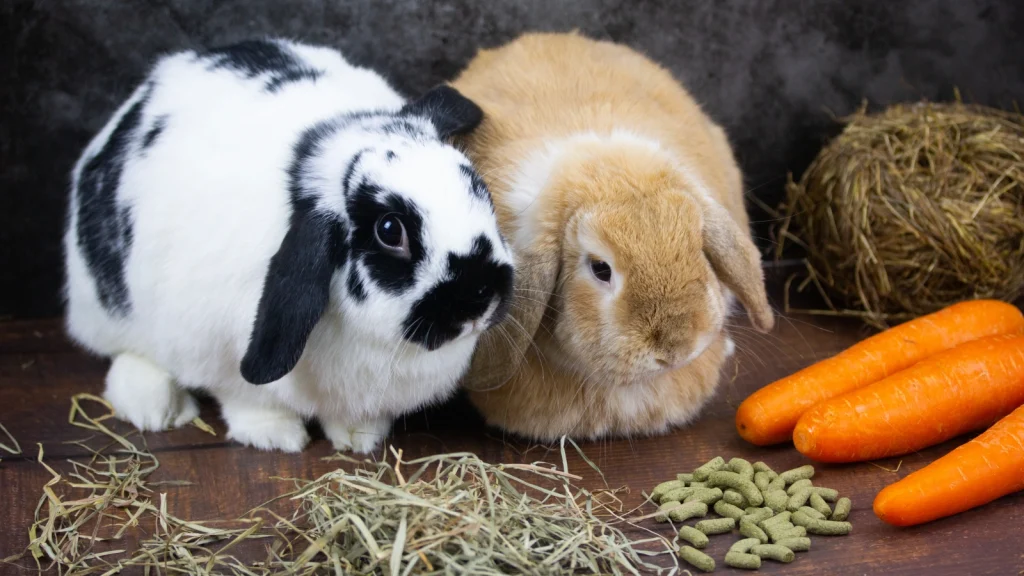
Hay should comprise about 80% of your rabbit’s diet. For adult Holland Lops, Timothy hay is ideal, it’s high in fiber and helps wear down those constantly growing teeth. For rabbits under 6 months, Alfalfa hay provides extra protein and calcium for growth.
Fresh Vegetables Daily
Offer about one cup of fresh, leafy greens daily, as these veggies for Holland Lop rabbits provide essential nutrients and hydration. Great options include:
- Romaine lettuce
- Cilantro
- Parsley
- Basil
- Arugula
- Carrot tops (not too many carrots themselves, they’re sugary!)
- Small amounts of spinach and kale
Introduce new vegetables gradually to avoid digestive upset.
High-Quality Pellets (In Moderation)
Adult Holland Lops need only 1-2 tablespoons of high-quality pellets daily. Choose pellets that are:
- High in fiber (at least 18%)
- Plain (no added seeds, colored pieces, or dried fruit)
- Specifically formulated for adult rabbits
Treats: Occasional & Small
Treats should be just that occasional. Small pieces of fruit (apple, berries, banana) can be offered once or twice weekly. Think of treats as you would candy for kids, fine in moderation, problematic in excess.
Holland Lop Dangerous Foods to Avoid
Never feed your Holland Lop:
- Chocolate
- Avocado
- Iceberg lettuce (no nutritional value, can cause diarrhea)
- Onions and garlic
- Rhubarb
- Raw beans
- Any processed human foods
Fresh Water Always
Provide unlimited fresh water in a heavy ceramic bowl (rabbits naturally drink from bowls) or a water bottle. Change it daily.
Grooming Your Holland Lop
Holland Lops have relatively low grooming needs thanks to their short coats.
Brushing Schedule
Brush your bunny once or twice weekly with a soft-bristled brush or grooming mitt. During seasonal shedding (spring and fall), increase brushing to every other day to prevent hairballs (which rabbits cannot vomit up).
Nail Trimming
Trim nails every 4-6 weeks using rabbit-safe nail clippers. Overgrown nails can curl and cause pain or mobility issues. If you’re nervous about doing this yourself, your vet can show you how or do it for you.
Ear Care
Those adorable floppy ears need regular checks. Because air circulation is limited inside lopped ears, Holland Lops are more prone to ear infections. Gently inspect ears weekly for redness, discharge, or odor. Clean only the outer ear with a damp cloth, never insert anything into the ear canal.
Bathing (Rarely Needed)
Rabbits are fastidious groomers and rarely need baths. In fact, baths can be stressful and dangerous. Only spot-clean your rabbit if they get truly dirty, and never submerge them in water.
Exercise & Playtime
Holland Lops need daily exercise outside their enclosure, at least 2-3 hours, though more is better. Create a safe play area where your bunny can:
- Hop and binky (those adorable jumping twists!)
- Explore new spaces
- Play with toys
- Interact with you
Rabbit-Proofing Your Home
Before letting your Holland Lop explore, bunny-proof the area:
- Cover or conceal electrical cords
- Block access to houseplants (many are toxic)
- Remove small objects they could swallow
- Protect furniture legs and baseboards with cord covers or barriers
- Close off tight spaces where they could get stuck
Handling & Training Your Holland Lop
Proper Handling Techniques
Rabbits have delicate spines and can injure themselves if dropped or struggling. To hold your Holland Lop safely:
- Scoop one hand under their chest behind the front legs
- Support their hindquarters firmly with your other hand
- Hold them close to your chest so they feel secure
- Never pick up by ears, scruff, or front legs alone
- Always sit on the floor initially, fewer accidents if they jump
Litter Training Success
Most Holland Lops take naturally to litter training:
- Observe where your rabbit naturally goes
- Place a litter box in that spot
- Add some of their droppings to the box
- Put hay in or near the box
- Reward them with a treat when they use it
- Clean accidents without fuss, no punishment
Consistency and patience are key. Most rabbits become reliably litter trained within a few weeks.
Building a Bond
Trust and affection develop over time:
- Spend time sitting quietly near your rabbit
- Offer treats from your hand
- Talk softly to them
- Let them approach you on their terms
- Pet them gently on the forehead and cheeks (most love this)
- Never chase or grab them suddenly
Health Considerations for Holland Lop Rabbits – Common Health Issues in Holland Lops
Ear Infections
Those beautiful lopped ears come with a downside—reduced airflow makes Holland Lops more susceptible to ear infections. Watch for head shaking, scratching at ears, loss of balance, or discharge. Regular ear checks help catch problems early.
Dental Malocclusion
Rabbit teeth grow continuously throughout their lives. If teeth don’t align properly (malocclusion), they can overgrow and prevent eating. Unlimited hay helps wear teeth down naturally, but some rabbits require periodic dental trims from a vet.
Gastrointestinal (GI) Stasis
This potentially fatal condition occurs when the digestive system slows or stops. Warning signs include:
- Decreased or no appetite
- Few or no fecal pellets
- Lethargy
- Hunched posture
- Teeth grinding (sign of pain)
GI stasis is a veterinary emergency, contact your rabbit-savvy vet immediately if you notice these symptoms.
Obesity
Overfeeding pellets and treats while limiting exercise can lead to obesity. A healthy Holland Lop should have a rounded but not bulging body, with ribs you can feel but not see.
Respiratory Issues
Dusty bedding, poor ventilation, or bacterial infections can cause respiratory problems. Sneezing, discharge from nose or eyes, and labored breathing require veterinary attention.
Recognizing a Healthy vs. Sick Rabbit
Healthy Holland Lop signs:
- Bright, clear eyes
- Clean nose and bottom
- Good appetite
- Regular droppings (lots of them!)
- Active and alert during peak times (dawn and dusk)
- Smooth, shiny coat
Warning signs of illness:
- Loss of appetite
- Changes in droppings (diarrhea, very small, or none)
- Lethargy or hiding
- Discharge from eyes, nose, or ears
- Hair loss or skin irritation
- Teeth grinding (pain indicator)
- Labored breathing
Veterinary Care
Find a rabbit-savvy exotic veterinarian before you need one. Regular checkups (once or twice yearly) help catch problems early. Some regions also require vaccinations against rabbit hemorrhagic disease (RHDV) or myxomatosis.
Lifespan Expectations
With excellent care, Holland Lops typically live 7-10 years, though some make it to 12 or beyond. Proper diet, clean environment, mental stimulation, and regular vet care all contribute to a long, healthy life.
Cost of Owning a Holland Lop
Initial Investment
- Rabbit: $25-$100+ (adoption or purchase)
- Enclosure/pen: $50-$200
- Litter box & litter: $20-$30
- Food & hay: $30-$50
- Toys & enrichment: $20-$40
- Initial vet exam: $50-$100
- Spay/neuter: $150-$400
Total initial investment: $345-$920
Monthly Expenses
- Hay: $15-$25
- Pellets: $10-$15
- Fresh vegetables: $10-$20
- Litter: $10-$15
- Toys & accessories: $5-$10
Average monthly cost: $50-$85
Long-Term Considerations
Budget for emergency vet visits, dental work, and age-related care. Having a savings fund specifically for your rabbit helps manage unexpected expenses.
Holland Lop Breeding Basics
Should You Breed Your Holland Lop?
Breeding rabbits is a serious responsibility requiring knowledge, resources, and commitment. Only breed if you:
- Understand rabbit genetics
- Have homes lined up for kits
- Can afford emergency veterinary care
- Have proper housing for multiple rabbits
- Are prepared for potential complications
Breeding Age & Considerations
Holland Lops should be at least 6-8 months old before breeding. Females (does) shouldn’t be bred repeatedly, this causes health problems and shortens lifespan.
Pregnancy & Kits
Holland Lop pregnancy lasts approximately 31 days. Litters typically range from 2-6 kits. Baby rabbits should stay with their mother until at least 8 weeks old for proper development and socialization.
The Ethical Approach
Responsible breeding means prioritizing health and temperament over appearance, thoroughly vetting potential homes, and being prepared to take back any rabbit that needs rehoming. Given how many rabbits need homes through rescues, consider carefully whether breeding is necessary.
Choosing Your Holland Lop – Finding a Reputable Source
Adoption
Many wonderful Holland Lops need homes through rabbit rescues. Benefits of adoption include:
- Supporting rescue organizations
- Often already spayed/neutered
- Known personality and temperament
- Rescue staff can help match you with the right rabbit
Reputable Breeders
If buying from a breeder, look for:
- Clean, spacious living conditions
- Healthy, well-socialized rabbits
- Knowledge about breed standards and genetics
- Willingness to answer questions
- Health guarantee
- Willingness to take rabbit back if needed
Red Flags to Avoid
Walk away if you see:
- Overcrowded or dirty conditions
- Rabbits under 8 weeks being sold
- Breeder unwilling to show where rabbits live
- No health records
- Rabbits that appear sick, thin, or lethargic
What to Look for in a Healthy Holland Lop
- Clear, bright eyes
- Clean ears, nose, and bottom
- Good body condition (not too thin or fat)
- Smooth coat with no bald patches
- Alert and curious behavior
- Good appetite
Holland Lop vs. Other Lop Breeds
Wondering how Holland Lops compare to their lop-eared cousins? Here’s a detailed comparison between Holland Lop vs Mini Lop vs French Lop:
| Feature | Holland Lop | Mini Lop | French Lop |
| Average Weight | 2-4 lbs | 4.5-6.5 lbs | 10-15 lbs |
| Size | Small | Medium | Large |
| Energy Level | Moderate | High | Moderate-High |
| Space Needs | Apartment-friendly | Needs more space | Requires large space |
| Good for Beginners | Excellent | Good | Moderate (due to size) |
| Lifespan | 7-10 years | 7-10 years | 5-8 years |
| Personality | Calm, gentle | Playful, energetic | Friendly, docile |
| Best For | First-time owners, apartments, families | Active owners with space | Experienced owners, large homes |
Which Lop Breed Is Right for You?
Choose a Holland Lop if you:
- Live in an apartment or smaller home
- Want a calm, gentle companion
- Are a first-time rabbit owner
- Have limited space
Choose a Mini Lop if you:
- Have more space available
- Enjoy an energetic, playful pet
- Can provide extra exercise time
Choose a French Lop if you:
- Have plenty of space
- Have rabbit experience
- Want a larger, docile rabbit
Frequently Asked Questions
How big do Holland Lop rabbits get?
Holland Lops are a small breed, typically weighing between 2-4 pounds when fully grown.
Are Holland Lops good pets for beginners?
Absolutely! Their friendly temperament, manageable size, and relatively straightforward care make them one of the best rabbit breeds for first-time owners.
How long does a Holland Lop live?
With proper care, Holland Lops typically live 7-10 years, though some reach 12+ years.
What do Holland Lops eat daily?
Their diet consists primarily of unlimited timothy hay, about 1 cup of fresh leafy greens, 1-2 tablespoons of pellets, and unlimited fresh water.
Do Holland Lops smell?
Rabbits themselves don’t have a strong odor, they’re naturally clean animals. Any smell typically comes from an enclosure that needs cleaning. Regular litter box maintenance keeps odor minimal.
How do you litter train a Holland Lop?
Place a litter box where your rabbit naturally goes, add paper-based litter and some hay, and reward them when they use it. Most Holland Lops train easily within a few weeks.
Can Holland Lops live alone?
Holland Lops can live happily as single rabbits with plenty of human interaction. However, bonded pairs often provide each other comfort and companionship.
Do Holland Lops shed?
Yes, they shed seasonally, typically more heavily in spring and fall. Regular brushing helps manage shedding.
How often should you groom a Holland Lop?
Brush your Holland Lop once or twice weekly, increasing to every other day during shedding season.
Are Holland Lops indoor or outdoor rabbits?
Holland Lops thrive as indoor pets where they’re protected from weather extremes, predators, and stress while staying close to their family.
Bringing It All Together
Holland Lop rabbits truly are one of the most rewarding small pets you can welcome into your life. Their compact size makes them perfect for various living situations, while their gentle, affectionate nature ensures they become genuine members of the family. Yes, they require daily care, proper nutrition, regular grooming, and lots of love, but what they give back is absolutely worth it.
From those adorable floppy ears to their sweet, curious personalities, Holland Lops have a way of stealing hearts. Whether you’re watching them binky with joy during playtime, feeling them nudge your hand for pets, or simply enjoying their calm presence beside you, these little rabbits create moments of genuine happiness.
If you’re ready to commit to their care needs and provide a loving forever home, a Holland Lop might just be the perfect addition to your family. Here’s to many happy years with your floppy-eared friend.