Can Rabbits Eat Bread? Why This Common Food Is Dangerous
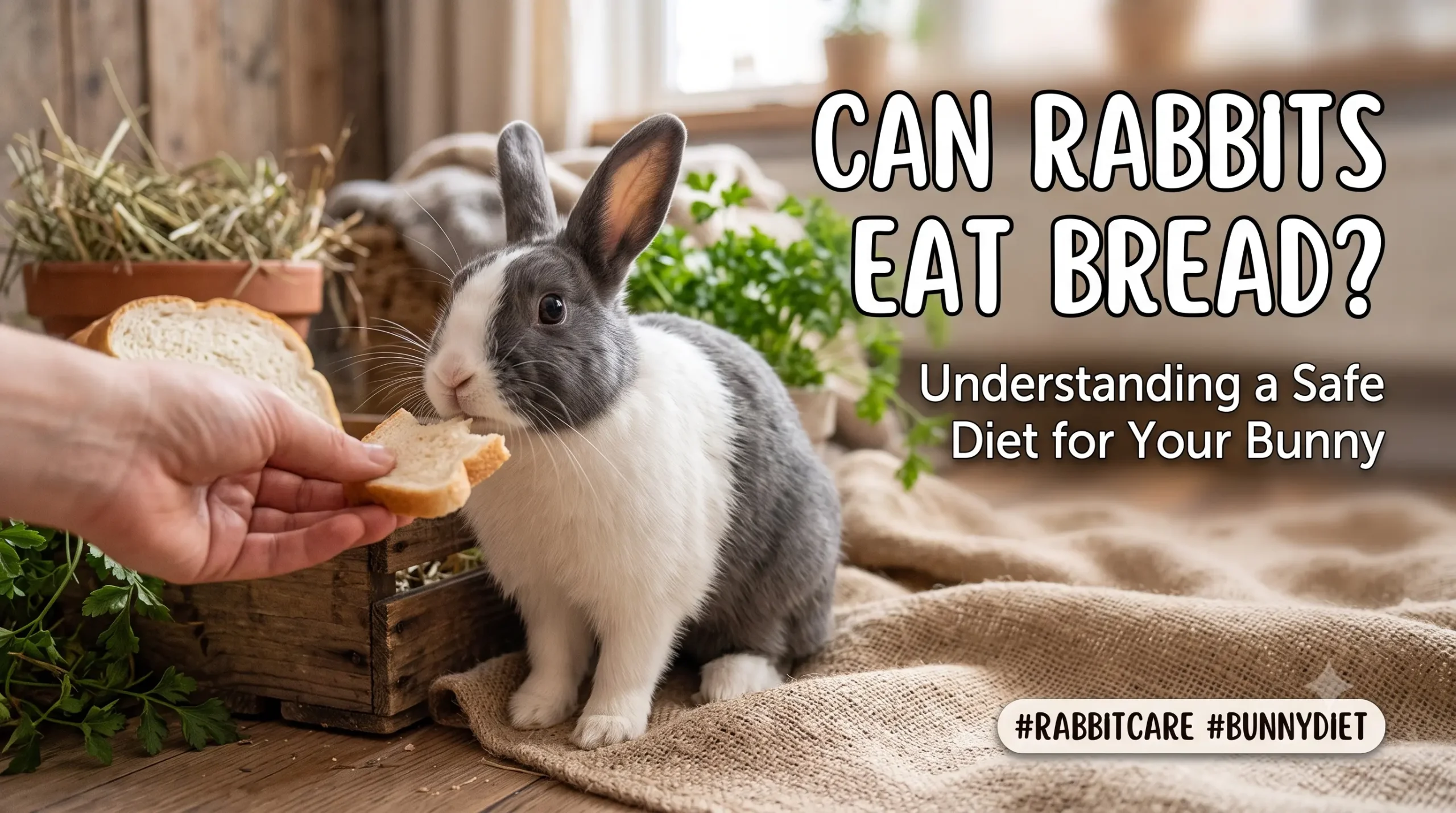
No, rabbits should not eat bread. If you are wondering, can rabbit eat bread?, the short answer is a definitive no. Bread is highly processed, packed with carbohydrates, and extremely low in the essential fiber that rabbits need to survive. Feeding bread to your rabbit can disrupt their delicate digestive system, leading to life-threatening conditions like gastrointestinal (GI) stasis. While a tiny nibble might not kill them instantly, bread offers zero nutritional value and poses severe health risks to your beloved pet.
The Rabbit Digestive System: Why Bread is Dangerous
To understand why bread is so harmful, we must look at how a rabbit’s digestive tract works. Rabbits are hindgut fermenters. Their digestive system is designed to process large amounts of cellulose and indigestible fiber, which they get from eating fresh grass hay. This fiber keeps their gut moving constantly and prevents blockages.
When a rabbit consumes bread, they ingest a massive dose of starch and simple carbohydrates. The rabbit’s stomach and small intestine cannot easily break down these complex starches. As a result, the undigested starch passes into the cecum—the fermentation chamber of the rabbit’s gut. This sudden influx of carbohydrates feeds harmful bacteria, causing them to multiply rapidly. This process, known as cecal dysbiosis, leads to gas, painful bloating, diarrhea, and potentially fatal GI stasis.
Furthermore, rabbits rely on a process called cecotrophy to obtain essential nutrients. They produce special night droppings called cecotropes, which they re-ingest to absorb vital vitamins and proteins. When a rabbit eats bread, the disrupted cecum produces mushy, foul-smelling cecotropes that the rabbit cannot eat. This leads to nutritional deficiencies and a messy, unhygienic cage environment.
Can Rabbit Eat Bread Crumbs?
Many pet owners wonder, can rabbit eat bread crumbs since they are so small? The answer is still no. Even though bread crumbs seem harmless due to their tiny size, they contain the exact same ingredients as a full slice of bread. When a rabbit eats bread crumbs, the concentrated starch still enters their digestive tract. Furthermore, commercial bread crumbs often contain added seasonings, garlic powder, onion powder, or preservatives, which are highly toxic to rabbits. It is best to keep your bunny far away from any dropped crumbs on the kitchen floor.
Can Bunnies Eat Dragon Fruit? Safe Feeding Guide for Rabbits
Can Rabbits Eat Bread Crusts?
Another common question is, can rabbits eat bread crusts? Some believe the harder texture of the crust might help wear down a rabbit’s continuously growing teeth. However, this is a myth. Bread crusts are simply baked dough; they are still incredibly high in carbohydrates and starch. They do not provide the abrasive action needed to wear down rabbit teeth—only high-quality grass hay can do that. Feeding bread crusts to your rabbit carries the same digestive risks as feeding them the soft middle part of the loaf.
Can Rabbits Eat Potatoes? Why This Veggie Is Highly Dangerous
Can Rabbits Eat Bread Sticks?
If you enjoy crunchy snacks, you might ask, can rabbits eat bread sticks? No, rabbits should not eat bread sticks. Commercial bread sticks are highly processed and often contain high levels of sodium, yeast, vegetable oils, and artificial flavorings. A rabbit’s kidneys and liver are not equipped to process high amounts of salt or fat. Feeding bread sticks to your rabbit can lead to dehydration, kidney strain, and severe digestive upset.
How Long Can Rabbits Go Without Water? Survival Guide on 2026
Can Rabbits Eat Bread and Butter?
Under no circumstances should you ever feed bread and butter to a rabbit. If you are asking, can rabbits eat bread and butter, the answer is an absolute, unconditional no. Butter is a dairy product, and rabbits are strict herbivores. Adult rabbits lack the enzymes necessary to digest lactose and dairy fats. Feeding a rabbit bread and butter combines the dangerous starches of bread with the indigestible fats of dairy, which is a direct recipe for severe diarrhea, gut blockage, and systemic illness.
Can Rabbits Eat Bread in the Winter?
There is an old misconception that rabbits need heavy, carbohydrate-rich foods during colder months to help them stay warm. This leads owners to ask, can rabbits eat bread in the winter? The truth is that rabbits do not need bread in the winter. While outdoor rabbits may require slightly more calories to maintain their body temperature in cold weather, these calories should come from increased portions of high-quality hay and a slight increase in high-fiber rabbit pellets. Feeding bread in the winter will not keep your rabbit warm; instead, it will compromise their immune system by disrupting their gut health when they need it most.
Can Rabbits Eat Bread Everyday?
If you have fed your rabbit a small piece of bread before without seeing immediate illness, you might wonder, can rabbits eat bread everyday? Absolutely not. Feeding bread daily is a guaranteed way to shorten your rabbit’s lifespan. Over time, a diet containing bread will lead to chronic obesity, severe dental disease (due to lack of chewing fiber), nutritional deficiencies, and chronic gut issues. Rabbits require a diet that is 80-85% fresh grass hay, 10-15% leafy green vegetables, and 5% high-fiber pellets. Bread has no place in this daily regimen.
Chronic obesity in rabbits is a serious condition that leads to hepatic lipidosis (fatty liver disease), pododermatitis (sore hocks), and the inability to groom themselves properly. Additionally, the soft, sticky nature of bread can adhere to a rabbit’s teeth, promoting tooth decay and painful dental abscesses that require expensive veterinary intervention.
What to Do If Your Rabbit Accidentally Ate Bread
If your rabbit managed to steal a bite of bread, don’t panic immediately, but monitor them very closely for the next 24 to 48 hours. Watch for the following warning signs:
- Loss of appetite (refusing to eat hay or treats)
- Lethargy or unusual hiding behavior
- A decrease in fecal pellet production or unusually small, misshapen droppings
- Signs of abdominal pain, such as loud tooth grinding or pressing their belly against the floor
- Diarrhea or watery stools
To help your rabbit process the accidental treat, ensure they have unlimited access to fresh water and fresh Timothy hay. Encourage them to move around, as exercise can help stimulate gut motility. Do not offer any other treats or pellets during this monitoring period. If you notice any of the symptoms listed above, contact an exotic animal veterinarian immediately. GI stasis can progress rapidly and is often fatal if left untreated.
Healthy and Safe Alternatives to Bread
Instead of offering harmful processed foods like bread, you can satisfy your rabbit’s desire for treats with safe, natural options. Here are some excellent alternatives:
- Fresh Herbs: Cilantro, parsley, basil, and mint are highly aromatic and loved by rabbits.
- Leafy Greens: Romaine lettuce, spring mix, and dandelion greens provide excellent vitamins and hydration.
- Fruit Treats (in moderation): Small slices of apple (without seeds), strawberries, or blueberries make wonderful occasional treats.
- Forage Mixes: Dried flowers like marigolds, chamomile, and rose petals mixed with hay.
To help visualize the difference between bread and a proper rabbit diet, review the table below:
| Food Item | Fiber Content | Starch/Sugar Level | Digestive Safety | Recommended Frequency |
|---|---|---|---|---|
| Timothy Hay | Very High | Extremely Low | Essential / Safe | Unlimited (Daily) |
| Leafy Greens | Moderate | Low | Safe | Daily |
| Apple Slices | Low | Moderate (Natural Sugar) | Safe in Moderation | Occasional Treat (1-2 times a week) |
| Bread (All Types) | Extremely Low | Very High (Starch) | Dangerous | Never |
Conclusion
In summary, while rabbits are curious eaters who may eagerly nibble on a piece of bread, it is highly detrimental to their health. Bread, crumbs, crusts, sticks, and butter offer no nutritional benefits and carry a high risk of causing life-threatening digestive complications like GI stasis. Stick to a high-fiber diet of fresh grass hay, leafy greens, and safe, natural treats to keep your bunny happy and healthy for years to come.
Frequently Asked Questions
Can rabbit eat bread crumbs?
No, rabbits should not eat bread crumbs. Even in tiny amounts, bread crumbs contain high levels of starch and carbohydrates that can disrupt a rabbit’s delicate gut flora, potentially leading to gastrointestinal stasis. Commercial crumbs may also contain harmful seasonings like garlic or onion powder.
Can rabbits eat bread crusts?
No, rabbits cannot safely eat bread crusts. Crusts are simply baked dough and carry the same high-starch, low-fiber profile as the rest of the loaf. They do not help wear down a rabbit’s teeth and pose a significant risk of digestive blockage.
Can rabbits eat bread in the winter to stay warm?
No, rabbits should not be fed bread in the winter. To help outdoor rabbits stay warm in cold weather, increase their supply of high-quality grass hay and slightly increase their daily portion of high-fiber pellets. Bread will only disrupt their digestion and weaken their immune system.
Can rabbits eat bread sticks?
No, rabbits should not eat bread sticks. Bread sticks are highly processed, dry, and often contain added salt, yeast, and oils that a rabbit’s digestive system cannot process, leading to dehydration and severe stomach upset.