What to Feed Baby Rabbits Without a Mother (Complete Care Guide)
Baby rabbits sometimes lose their mothers. The mother might get hurt or sick. A predator might scare her away. Sometimes she just doesn’t come back. When this happens, the tiny babies are left alone. They are very hungry and scared. These little rabbits need help right away. Without food and warmth, they get weak very fast. Baby rabbits are much more fragile than people think. But here’s good news. With proper feeding and gentle care, many orphaned baby rabbits can grow up healthy and strong.
First Things to Know Before Feeding Orphaned Baby Rabbits
Nothing works as well as a mother rabbit’s milk. Her milk has special nutrients. These help babies grow strong. The milk changes as babies get older. No store-bought formula can copy this perfectly.
However, good alternatives do exist. These can keep baby rabbits alive. The key is knowing what to use. You also need to know how to give it to them.
Figuring out how old the babies are is very important. A two-day-old rabbit needs different care than a three-week-old rabbit. Age tells us what to feed and how much to give.
Sometimes the best choice is to call for help. Wildlife rehabilitators are trained to care for wild baby animals. Veterinarians who work with rabbits also know a lot. If the rabbits seem very weak or cold, get expert help quickly. This can save their lives.
How to Identify the Age of a Baby Rabbit?
Newborn Rabbits (0–7 Days Old)
Brand new baby rabbits look almost naked. Their eyes stay completely shut. Their skin feels thin and delicate. It looks almost see-through in some spots. These babies have almost no fur at all. What little fuzz they have barely covers their pink skin.
They cannot move around much. Mostly they wiggle a little. They make tiny sounds. At this age, they are incredibly fragile. Even small mistakes can hurt them.
1–2 Weeks Old Baby Rabbits
Around the end of the first week, changes start. The baby rabbits begin to grow soft fur. It starts thin but gets thicker each day. Their eyes start to open during this time. First one eye might peek open. Then the other follows soon after.
These rabbits still need very gentle care. They are stronger than newborns. But they are still quite delicate. They cannot eat solid food yet. They depend completely on milk.
3–4 Weeks Old Baby Rabbits
By three weeks, baby rabbits look much more like real rabbits. Their fur covers their whole body. They have bright, open eyes. These little ones start to hop around and explore.
At this stage, they get interested in trying new things. They might nibble on hay. They might sniff at fresh greens. Their bodies are getting ready to eat solid foods. But they still need milk too.
What to Feed Baby Rabbits Without a Mother (By Age)
Feeding Newborn Baby Rabbits (0–7 Days)
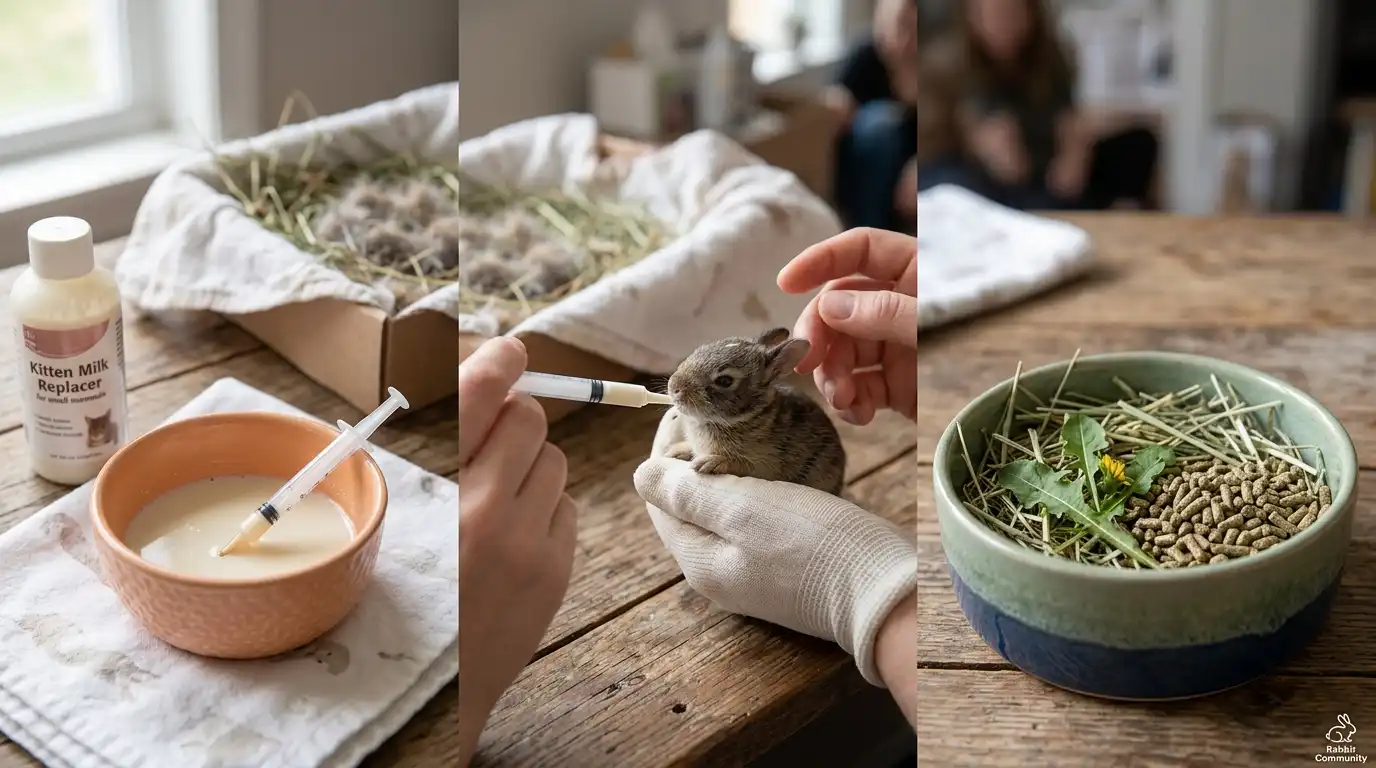
The best choice is Kitten Milk Replacer. People call this KMR. Pet stores sell it. Veterinarians often have it too. KMR comes close to what mother rabbits provide. It has the right balance of fat and protein.
When KMR is not available, goat milk can work for a short time. Fresh goat milk from a store is better than nothing. But this should only be temporary. Get proper KMR as soon as possible.
Some things should never be fed to baby rabbits:
- Regular cow’s milk is dangerous. Their little stomachs cannot handle it. Cow’s milk causes severe stomach problems. This can be deadly.
- Human baby formula is wrong for rabbits. It does not have what they need. It can make them very sick.
Feeding 1–2 Week Old Baby Rabbits
At one to two weeks old, baby rabbits still need KMR. The feeding schedule matters a lot. These babies should be fed twice each day. Some people feed them in the morning and evening. Others choose lunchtime and bedtime. Keep the times roughly the same each day.
The amount of milk depends on size. A good starting point is two to three milliliters at each feeding. As they grow bigger, they can take more. Watch their little bellies. After feeding, the belly should look slightly rounded. It should not be tight or overly full.
Use a syringe without a needle. Some people use tiny bottles made for kittens. The milk should be warm. Test a drop on your wrist. Make sure it is not too hot. Feed slowly. Rushing can cause the baby to choke.
Feeding 3–4 Week Old Baby Rabbits
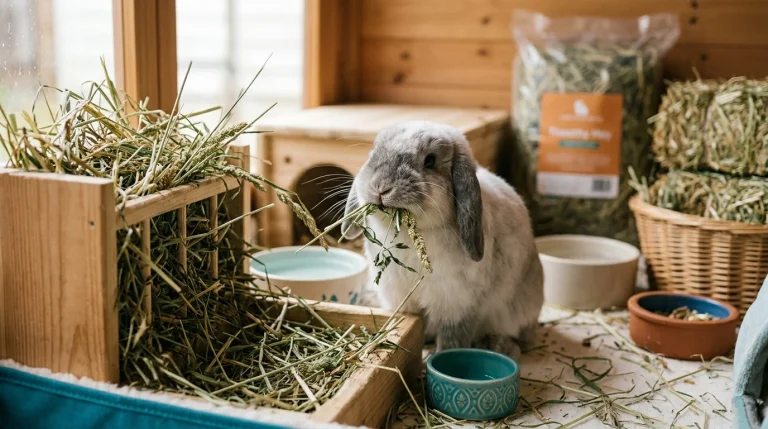
Around three weeks old, baby rabbits get interested in solid foods. They still need milk. But they also want to try other things. This is when hay should be offered. Place small piles of fresh timothy hay or alfalfa hay where babies can reach it.
Fresh greens can be introduced very carefully at this age. Only give tiny amounts at first. Safe choices include:
- Small pieces of romaine lettuce
- A bit of parsley
- Wash and dry them before offering
Too many greens too fast can upset their stomachs.
The milk feedings continue but can slowly be reduced. As babies eat more hay and greens, they need less milk. By four weeks old, most baby rabbits can survive mainly on solid foods and water.
Safe Solid Foods for Baby Rabbits Without a Mother
Hay is the most important food for growing rabbits. Timothy hay works wonderfully for older babies. Alfalfa hay is also good. It has extra protein and calcium. Fresh hay should always be available. Rabbits like to munch on it all day and night.
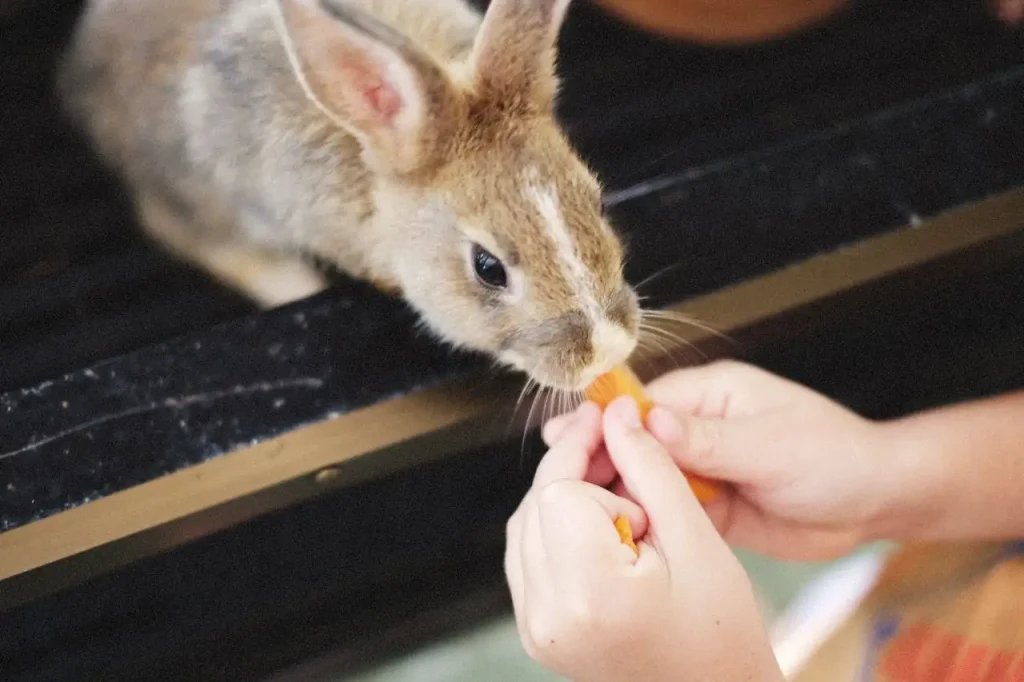
When baby rabbits reach about three weeks old, certain vegetables become safe. Start with small amounts:
- Romaine lettuce is a gentle choice
- Parsley and cilantro are good options
- Carrot tops (the green leafy parts) in small bits
- Vegetables must be fresh, clean, and in tiny portions at first
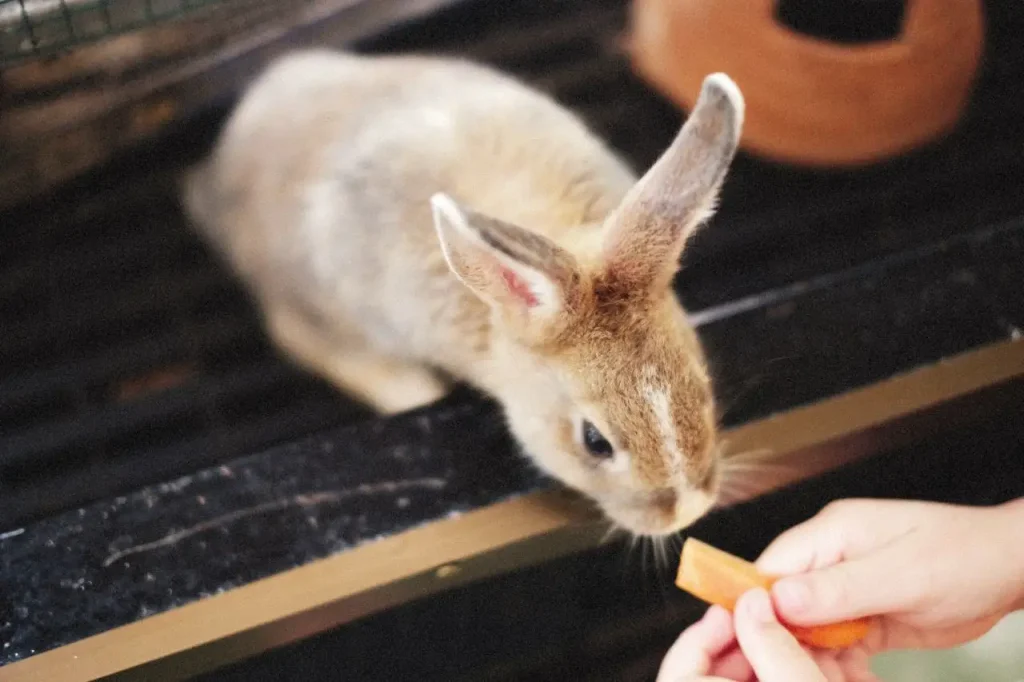
Some vegetables should wait until rabbits are older. Carrots have a lot of sugar. Only give them as rare treats to adults. Cabbage and broccoli can cause gas. Avoid these for babies.
Water becomes important as rabbits start eating hay. At around three weeks old, place a shallow dish of clean water near them. Some people use water bottles for small animals. Change the water daily.
Feeding Schedule for Orphaned Baby Rabbits
Newborn rabbits up to one week old need feeding twice a day. Each feeding should happen about twelve hours apart. Morning and evening work well.
From one week to two weeks old, the twice-daily schedule continues. The amount given increases slightly as babies grow.
When baby rabbits reach two to three weeks old, they still get milk twice daily. However, hay should be available all the time now. They will start eating more hay. They will gradually drink less milk.
By three to four weeks old, rabbits are transitioning away from milk. Some still enjoy one milk feeding per day. They are learning to eat more hay and vegetables. By four weeks, most are ready to stop milk completely.
Signs of proper feeding:
- Steady weight gain
- Active behavior
- Healthy droppings
- Baby feels slightly rounded when gently touched
- Seems alert and moves around when awake
Underfeeding shows as weight loss, constant crying, and weakness. The baby might feel bony. Overfeeding can cause a bloated, tight belly. The rabbit might seem uncomfortable. It might have loose droppings. Finding the right balance takes careful watching.
How to Feed Baby Rabbits Safely?
The position matters when feeding baby rabbits. Unlike human babies, rabbits should never be fed lying on their backs. This can cause milk to go into their lungs. That is very dangerous. Instead, the baby rabbit should be upright. This is similar to how it would sit naturally. Hold the rabbit gently in a small towel. This keeps it secure and comfortable.
Aspiration happens when liquid goes down the wrong pipe. It goes into the lungs instead of the stomach. This is very dangerous. Going slowly helps prevent this. Never squirt milk quickly into the mouth. Let tiny drops form at the tip. The baby will lick or suck at its own pace. If milk comes out of the nose, stop immediately. This means things are going too fast.
All feeding tools must be kept very clean:
- Wash bottles, syringes, and containers with hot soapy water after every feeding
- Rinse them well to remove all soap
- Some people boil the equipment once a day to kill germs
- Clean tools help prevent stomach sickness
What Not to Feed Baby Rabbits?
Cow’s milk tops the list of dangerous foods. The fat and proteins are completely wrong for rabbits. Even small amounts can cause severe diarrhea. This leads to dehydration. It can kill a baby rabbit in just a day or two. Avoid all dairy products. This includes yogurt, cheese, and cream.
Bread has no place in a baby rabbit’s diet. It provides no real nutrition. It can cause digestive blockages. Fruits should also wait until rabbits are much older. The sugar in fruits can upset their stomach. Apples, bananas, and berries are not safe for babies.
Human food in general is dangerous:
- Crackers, cookies, and cereal can make rabbits very sick
- Chocolate is poisonous to rabbits
- Anything salty, sweet, or heavily processed should be kept away
Sudden changes in diet also cause problems. When introducing new foods, only try one new thing at a time. Offer small amounts. Watch carefully for any stomach upset. If diarrhea appears, stop the new food immediately.
Signs a Baby Rabbit Is Not Feeding Well
A baby rabbit that is not getting enough food will seem tired and weak. It might not move much. It might not react when touched. This is a warning sign that something is wrong.
Dehydration is another serious problem. A dehydrated baby will have skin that stays tented up when gently pinched. The eyes might look sunken. The mouth might feel dry.
Diarrhea is extremely dangerous for baby rabbits. Their droppings should be small, round, and fairly firm. Loose, watery droppings mean the stomach is upset. This can happen from wrong food or too much food. Bloating makes the belly feel hard and swollen. The rabbit might seem uncomfortable. Both need immediate attention.
Weight loss or failure to gain weight shows feeding is not going well. Baby rabbits should get bigger each week. If a rabbit stays the same size, the feeding plan needs to change. Sometimes this means feeding more often. Or giving larger amounts. Or switching to better formula.
Constant crying or squeaking often means hunger. Baby rabbits make soft sounds normally. But loud, frequent crying usually signals a problem. Cold babies also cry more. Make sure they stay warm.
When to Seek Veterinary or Wildlife Help?
Wild baby rabbits and domestic baby rabbits need different care. Wild rabbits have special needs. These are hard to meet at home. In many places, keeping wild rabbits without permits is against the law. Wildlife rehabilitators have the training and tools. They can care for wild babies. They know what wild rabbits need to survive and return to nature.
For domestic rabbits, a veterinarian who sees rabbits can help. These vets can check babies for health problems. They suggest the best feeding plan. They provide medicine if needed.
Read More about wild rabbit: Can Wild Rabbits Eat Tomatoes?
Certain signs mean help is needed right away:
- Baby rabbit feels cold to the touch
- Breathing seems difficult or gasping
- Seizures, unresponsiveness, or bleeding
- Severe diarrhea that does not stop
- Rabbit refuses to eat for more than a few feedings
Nobody should feel bad about asking for help. Caring for orphaned baby rabbits is challenging. Reaching out to experts shows real care for these tiny lives.
Frequently Asked Questions
Can baby rabbits survive without their mother?
Yes, baby rabbits can survive without their mother with dedicated care. Success depends on their age when orphaned and the quality of care. Older babies with fur have better chances than tiny newborns.
How long can baby rabbits go without milk?
Baby rabbits cannot go long without food. Newborns should not go more than twelve hours without feeding. After twenty-four hours, they become dangerously weak.
Can baby rabbits eat vegetables?
Baby rabbits younger than three weeks should not eat vegetables. Around three weeks old, tiny amounts of safe vegetables like romaine lettuce can be introduced.
When can baby rabbits feed themselves?
Baby rabbits start to feed themselves around three to four weeks of age. This is when they begin nibbling hay on their own. By four weeks old, most can survive on hay, water, and small amounts of vegetables.
Conclusion
Feeding orphaned baby rabbits takes patience and gentle care. Using the right milk replacement is important. Feed at the correct times. Transition to solid foods at the proper age. Remember that baby rabbits are delicate. Their needs change quickly as they grow. Keep everything clean and go slowly during feedings. When things feel uncertain, professional help is available.