Can Rabbits Eat Cauliflower? Safe for Rabbits?
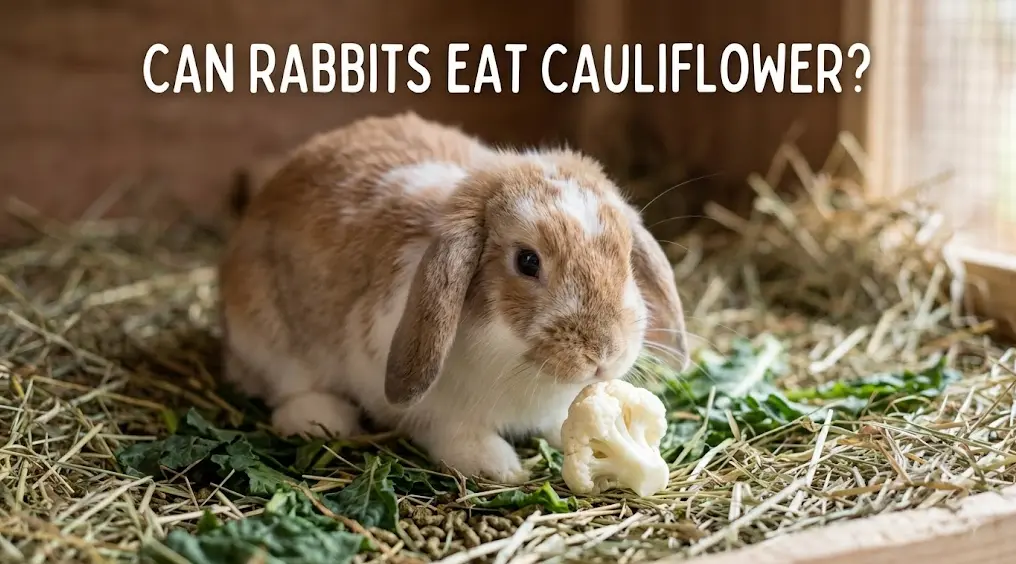
Rabbits can eat cauliflower safely in small amounts as an occasional treat. You must serve this cruciferous vegetable raw and completely fresh. It supplies vitamins and fiber that help support digestive health. However, feeding large portions creates excess gas in your pet. You should always introduce new foods slowly.
Cauliflower contains helpful nutrients like vitamin C, vitamin K and calcium. These nutrients support blood clotting and maintain strong bones in adult bunnies. High fiber content also helps move food through the digestive tract.
Your rabbit needs a diet built mostly on fresh hay. Hay makes up 85% of their daily food intake. Fresh vegetables should only take up 10% of their daily meals.
You can offer cauliflower once or twice each week. This limited schedule keeps their gut bacteria balanced and healthy.
| Nutrient | Health Benefit for Rabbits |
| Fiber | Helps prevent gut stasis and keeps food moving |
| Calcium | Builds strong bones and protects tooth health |
| Vitamin K | Supports normal blood clotting and cell repair |
| Vitamin C | Boosts immunity and protects body tissues |
Which Parts of Cauliflower Can Rabbits Eat?
Rabbits can eat every part of the cauliflower plant including leaves, stems and florets. The green leaves are the safest part because they contain high fiber and digest easily. Stems offer good texture for chewing but require chopping. Florets carry the highest risk of gas so you must limit them.
Many owners throw away cauliflower leaves, but rabbits love them. The green leaves contain high amounts of fiber and water. They produce much less gas than the white head of the plant.
The stems provide a tough texture that helps wear down rabbit teeth. Constant chewing keeps their teeth at a safe, healthy length. You must slice the stems into small pieces before feeding. Small pieces prevent choking hazards during mealtime.
Florets taste good to pets, but they harbor the most starch. High starch levels disrupt the sensitive bacteria inside the rabbit gut.
- Leaves give rich fiber with very low gas risk.
- Stems aid dental health when sliced into small pieces.
- Florets offer good nutrients but need strict portion limits.
- Meadow Hay vs Timothy Hay for Rabbits
- The Essential Contacts Every Rabbit Owner Should Have
- Orchard Hay vs Timothy Hay for Rabbits
- How Long Can Rabbits Go Without Hay?
- Can Rabbits Survive on Hay Only?
How Much Cauliflower Should You Feed?
You should feed 1–2 small florets of cauliflower to your rabbit once per week. Base all portion sizes on your pet’s body weight. A safe guideline equals 1 tablespoon of chopped vegetable per 2 pounds of weight. Overfeeding leads to painful bloat and severe stomach discomfort in your pet.
Rabbits have very delicate digestive systems that rely on hindgut fermentation. Good bacteria break down high fiber foods inside the cecum. Sugars and starches disrupt this balance and cause harmful gas.
You must measure portions carefully before offering this food to your bunny. Never leave a whole head of cauliflower near your pet. They will overeat and develop soft droppings or watery diarrhea.
Mix small pieces of cauliflower with dark leafy greens. Combining foods creates a safer meal with balanced nutrition.
| Rabbit Weight | Maximum Weekly Portion |
| Under 4 pounds | 1 small floret |
| 4–8 pounds | 2 small florets |
| Over 8 pounds | 3 small florets |
What Are the Risks of Feeding Cauliflower?
Feeding too much cauliflower causes painful gas buildup and severe abdominal bloat in rabbits. Rabbits cannot burp or vomit to release gas pressure naturally. Trapped gas leads to gastrointestinal stasis, which is a life threatening emergency. You must monitor your pet closely after offering any new cruciferous vegetable.
Gastrointestinal stasis occurs when the digestive tract stops moving completely. Gas builds up inside the stomach and creates intense pain. A suffering rabbit will stop eating and refuse their normal hay.
You need to recognize warning signs early to save your rabbit’s life. A rabbit in pain often sits in a hunched position. They may press their belly firmly against the floor.
Call your vet immediately if you notice these painful symptoms. Rapid medical care helps restart the gut and removes dangerous gas pressure.
- Swollen or hard belly that feels tight
- Complete loss of interest in hay and water
- Lack of fecal droppings in the litter box
- Loud gurgling sounds coming from the stomach
- Hiding in dark corners or standing in a hunched pose
How Should You Prepare Cauliflower for Rabbits?
Prepare cauliflower by washing the plant under cold running water to remove dirt and chemicals. Cut the vegetable raw into small, bite-sized pieces for safe chewing. You must never cook cauliflower for a rabbit. Cooking alters natural fiber structure and makes digestion harder for their stomach.
Farmers often treat growing crops with synthetic sprays and pesticides. Thorough washing protects your rabbit from ingesting harmful chemical residues. Use fresh water and scrub the outer surfaces carefully.
Raw vegetables provide the hard texture that rabbit teeth need daily. Rabbit teeth grow continuously throughout their entire life span. Chewing raw plant fibers helps grind down sharp enamel edges naturally.
Discard any uneaten cauliflower pieces after 2 hours pass. Fresh food spoils quickly in open room air and attracts insects.
- Wash the raw cauliflower thoroughly under cold water.
- Chop the florets and stems into tiny, bite-sized chunks.
- Mix the chopped pieces with safe leafy greens.
- Serve the fresh mixture on a clean plate or mat.
- Remove any leftover pieces after 2 hours pass.
Can Baby Rabbits Eat Cauliflower?
Baby rabbits under 12 weeks old must never eat cauliflower or any fresh vegetables. Young kits have extremely sensitive stomachs that rely entirely on mother’s milk, hay and water. Introducing vegetables too early triggers severe diarrhea and fatal dehydration. Wait until your kit reaches 4 months before trying new foods.
A young rabbit’s cecum develops healthy bacterial populations slowly over time. Sudden dietary changes easily ruin this delicate bacterial environment. Diarrhea in baby rabbits can cause death within a few hours.
When your rabbit reaches 16 weeks of age, you can start introducing greens. Begin with mild leafy options like romaine lettuce or parsley. Save cruciferous foods like cauliflower for much later in their development.
Introduce only one new vegetable every 3 to 5 days. This waiting window lets you catch stomach upset before it becomes severe.
- Feed only hay, mother’s milk and pellets under 12 weeks.
- Start fresh leafy greens slowly between 12 and 16 weeks.
- Wait until 4 months of age before offering cauliflower.
- Offer a single piece smaller than a postage stamp at first.
What Are Safe Alternatives to Cauliflower?
Safe alternatives to cauliflower include fresh leafy greens like romaine lettuce, cilantro and parsley. These greens supply high fiber and vitamins without causing painful gas buildup. Dark leafy greens should form 75% of your rabbit’s fresh vegetable intake. You can feed these safe options every single day.
Leafy herbs offer great flavor and nutrients without risking stomach bloat. Cilantro, mint and basil make excellent daily treats for all adult rabbits. These herbs keep your bunny hydrated and support active gut movement.
Avoid feeding cauliflower along with broccoli, cabbage or Brussels sprouts. Combining multiple cruciferous vegetables increases the total gas volume in the stomach. Always balance cruciferous treats with soothing herbs and fresh grass hay.
Keep fresh water available in a clean bowl at all times. Proper hydration works with fiber to keep digestion moving smoothly.
| Vegetable | Daily or Weekly | Risk of Gas |
| Romaine Lettuce | Daily | Very low |
| Cilantro | Daily | Very low |
| Parsley | Daily | Very low |
| Cauliflower | Weekly | High |
| Broccoli | Weekly | High |
Can Rabbits Eat Raw Cauliflower?
Rabbits can eat raw cauliflower safely in small amounts. You must never cook cauliflower for your pet. Cooking breaks down important fiber and alters natural nutrients. Raw cauliflower provides crisp texture that helps wear down growing teeth. Raw serving keeps your pet healthy.
Always wash the raw vegetable to remove chemical spray. Serve tiny pieces as an occasional treat alongside fresh hay.
Can Rabbits Eat Cauliflower Leaves and Stems?
Rabbits can eat both cauliflower leaves and stems safely. The green leaves are gentler on rabbit stomachs than white florets. Stems offer high fiber content but require slicing into small pieces. Chopping stems prevents choking hazards during feeding. Proper prep protects your pet.
You should offer raw green leaves first when introducing cauliflower. Most bunnies digest green leaves much easier than heavy florets.
Why Does Cauliflower Cause Gas in Rabbits?
Cauliflower contains natural plant compounds that ferment inside the rabbit gut. Fast gut fermentation produces excess gas pressure in the stomach. Rabbits cannot burp or vomit to release trapped gas. Overfeeding creates painful bloating and severe stomach pain. This pain requires fast care.
Limit cauliflower portions to prevent dangerous intestinal bloat. Stop feeding immediately if your rabbit shows stomach tightness.
How Often Can Rabbits Eat Cauliflower?
You can feed cauliflower to your rabbit 1 or 2 times each week. Keep portion sizes limited to 1 tablespoon per kilogram of body weight. Never offer this vegetable every day. Rotating treats keeps gut bacteria healthy and balanced. Careful schedule prevents bloat.
Mix cauliflower pieces with safe leafy greens like romaine lettuce. Fresh grass hay must remain the main daily food source.
Can Baby Rabbits Eat Cauliflower?
Baby rabbits under 7 months old must not eat cauliflower. Young kits have delicate stomachs that cannot handle complex raw vegetables. Early feeding triggers severe diarrhea, dehydration and stomach upset. Keep young pets on a strict starter diet. Early caution saves lives.
Feed young kits only mother’s milk, grass hay and water. Introduce small vegetable bites after they reach full adult status.