Can Bunnies Eat Dragon Fruit? Safe Feeding Guide for Rabbits
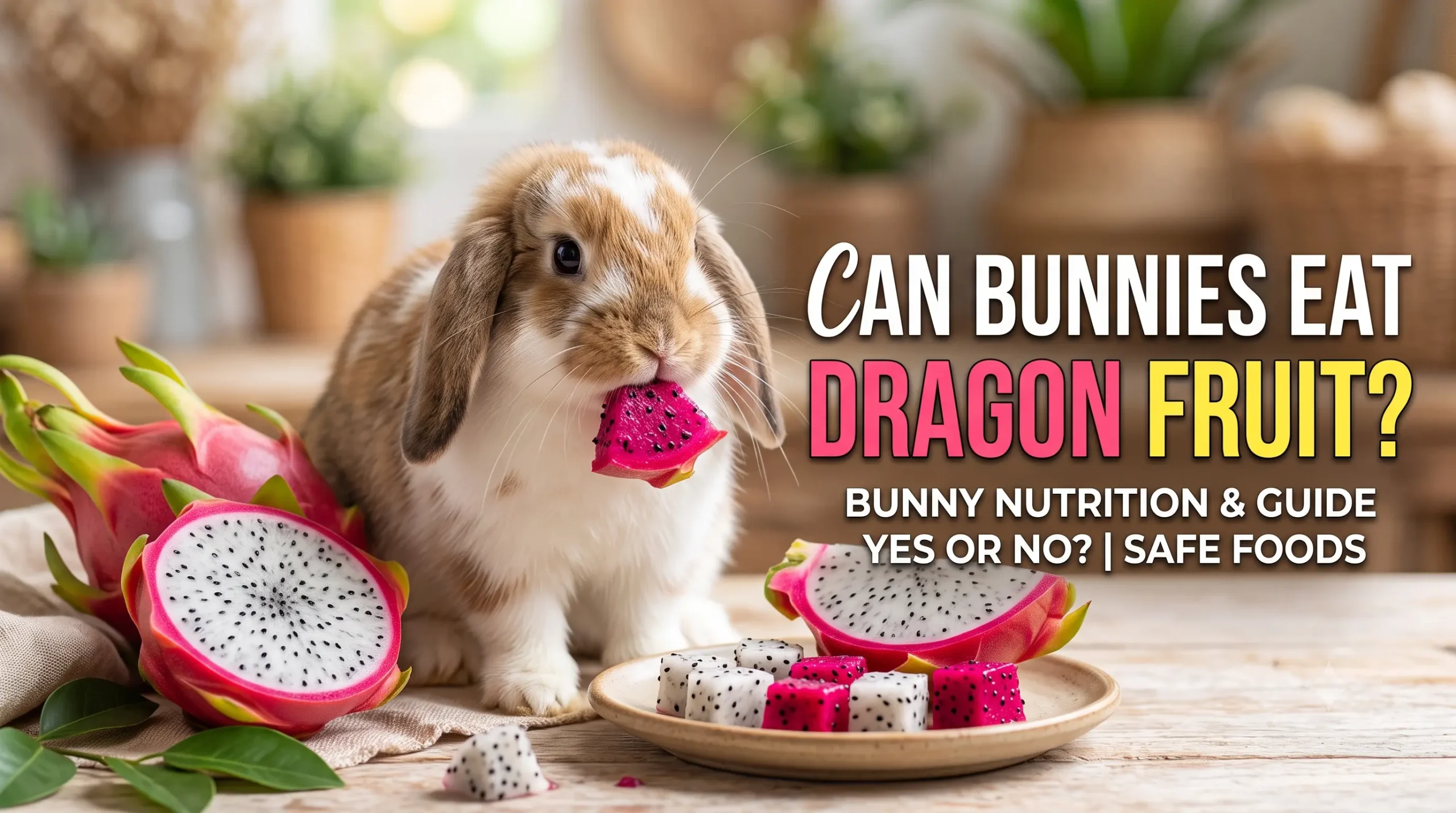
Yes, bunnies can eat dragon fruit in moderation as an occasional treat. While the sweet, vibrant flesh of the dragon fruit (also known as pitaya) is non-toxic to rabbits, it should never become a staple of their daily diet. Because rabbits are hindgut fermenters with highly sensitive digestive systems, the high sugar and water content in dragon fruit can easily disrupt their gut flora if fed in excess. A healthy rabbit diet must always consist of at least 80% high-quality grass hay, 10% fresh leafy greens, and a small amount of pellets, leaving fruits like dragon fruit as strictly occasional rewards.
What is Dragon Fruit?
Dragon fruit is the fruit of several cactus species indigenous to the Americas, though it is now widely cultivated across Southeast Asia and other tropical regions. It is famous for its striking appearance, featuring bright pink or yellow leathery skin and sweet, speckled flesh. The most common varieties include white-fleshed, red-fleshed, and yellow-skinned dragon fruit. For rabbits, all of these varieties present similar nutritional profiles, meaning they are all safe to offer in tiny amounts, but they also carry the same risks regarding sugar content.
Nutritional Profile of Dragon Fruit
To understand how dragon fruit affects your rabbit, it helps to look at its nutritional composition. While it contains beneficial vitamins and minerals, its high sugar-to-fiber ratio is the primary reason it must be strictly rationed.
| Nutrient (per 100g) | Approximate Value | Impact on Rabbits |
|---|---|---|
| Water | 84 g | Highly hydrating, but can cause loose stools in excess. |
| Sugars | 9.7 g | High; can lead to obesity, dental decay, and GI stasis. |
| Dietary Fiber | 3 g | Good for digestion, but insufficient compared to grass hay. |
| Vitamin C | 9 mg | Antioxidant support, though rabbits synthesize their own. |
| Calcium | 8.5 mg | Low; safe for rabbits prone to bladder sludge. |
Is Dragon Fruit Safe for Bunnies?
When offered correctly, dragon fruit can be a safe and enjoyable treat for your pet rabbit. The primary benefit of dragon fruit is its high water content, which can help keep your rabbit hydrated during warm summer days. It also contains antioxidants like betalains (found in the red-fleshed varieties) and vitamin C, which help combat oxidative stress and support overall cellular health.
However, the risks of overfeeding dragon fruit far outweigh the benefits. Rabbits do not digest simple sugars well. When a rabbit consumes too much sugar, it can cause an overgrowth of harmful bacteria in the cecum. This imbalance can lead to painful gas, diarrhea, and a life-threatening condition known as Gastrointestinal Stasis (GI stasis). Therefore, dragon fruit should only be viewed as a special bonding treat rather than a nutritional necessity.
Can Bunnies Eat Dragon Fruit Skin?
No, bunnies should not eat dragon fruit skin. The skin of the dragon fruit is thick, leathery, and incredibly tough. A rabbit’s digestive tract is designed to process fibrous grasses, not dense, waxy peels. Attempting to eat the skin can present a serious choking hazard for your rabbit. Furthermore, the tough texture of the skin can cause physical blockages in their narrow digestive tract, which can quickly become fatal. Always peel the fruit completely and discard the skin safely out of your rabbit’s reach.
Can Bunnies Eat Dragon Fruit Peel?
Just like the skin, the dragon fruit peel is entirely unsafe for rabbits to consume. In addition to the physical dangers of choking and intestinal blockage, the outer peel is the part of the fruit most likely to be contaminated with agricultural chemicals, pesticides, and synthetic waxes used during cultivation and transport. Even if washed thoroughly, the peel remains indigestible and dangerous. When preparing this exotic treat, ensure that only the soft, inner flesh is offered to your bunny.
Can Bunnies Eat Dragon Fruit Seeds?
Yes, bunnies can safely eat dragon fruit seeds. The seeds of the dragon fruit are tiny, soft, and scattered evenly throughout the flesh of the fruit, much like the seeds in a kiwi. Unlike the seeds of apples, pears, or cherries, which contain toxic cyanogenic glycosides, dragon fruit seeds are completely non-toxic. They are small enough to pass through a rabbit’s digestive system without causing any physical obstructions. You do not need to attempt to remove these tiny seeds before feeding the flesh to your rabbit.
How to Safely Feed Dragon Fruit to Your Rabbit
If you decide to introduce dragon fruit to your rabbit, it is crucial to follow safe feeding practices to protect their delicate digestive systems:
- Introduce slowly: Whenever offering a new food, start with a tiny piece no larger than a fingernail. Monitor your rabbit for 24 hours to ensure there are no signs of soft stool or gas.
- Wash thoroughly: Even though you will be discarding the peel, wash the fruit first to prevent transferring any dirt or pesticides to the flesh during cutting.
- Remove the peel entirely: Cut away all traces of the pink or yellow outer skin.
- Portion control: Limit the serving size to one teaspoon per two pounds of your rabbit’s body weight. Treat day should only occur once or twice a week at most.
- Keep it fresh: Never feed fermented, spoiled, or cooked dragon fruit to your rabbit.
Signs of Digestive Distress to Watch For
Because rabbits are prey animals, they instinctively hide signs of illness. After feeding your rabbit any fruit, including dragon fruit, keep a close eye on their behavior and litter box habits. Watch out for the following warning signs:
- Watery stools or diarrhea
- A sudden decrease in appetite or refusal to eat hay
- Lethargy or reluctance to move
- Loud stomach gurgling or a bloated, hard abdomen
- A lack of fecal pellets or unusually small, misshapen droppings
If you notice any of these symptoms, stop feeding all treats immediately, encourage your rabbit to eat fresh grass hay, and contact an exotic animal veterinarian right away.
Healthy Alternatives to Dragon Fruit
If you want to spoil your rabbit with healthy treats that are lower in sugar and higher in beneficial nutrients, consider these safe alternatives:
- Fresh Herbs: Cilantro, parsley, basil, mint, and dill are highly aromatic and loved by rabbits.
- Leafy Greens: Romaine lettuce, spring mix, kale, and raspberry leaves provide excellent crunch and fiber.
- Lower-Sugar Fruits: If you want to feed fruit, small pieces of fresh strawberries, raspberries, or blueberries are excellent options that are easy to portion.
Conclusion
In conclusion, dragon fruit is a safe, non-toxic treat that your rabbit can enjoy in very small quantities. While the soft flesh and tiny seeds are perfectly fine for an occasional snack, the tough outer skin and peel must always be removed to prevent choking and intestinal blockages. By prioritizing high-fiber hay and treating dragon fruit as a rare luxury, you can keep your bunny happy, healthy, and safe from digestive complications.
Frequently Asked Questions
Can bunnies eat dragon fruit?
Yes, bunnies can eat the soft flesh of dragon fruit in moderation as an occasional treat. Because it is high in sugar and water, it should only be fed in small quantities (about one teaspoon per two pounds of body weight) once or twice a week to prevent digestive issues like diarrhea or GI stasis.
Can bunnies eat dragon fruit skin?
No, bunnies cannot eat dragon fruit skin. The skin is tough, leathery, and highly indigestible, posing a severe choking hazard and a risk of gastrointestinal blockage. Always peel the fruit completely before offering it to your rabbit.
Can bunnies eat dragon fruit seeds?
Yes, bunnies can safely eat dragon fruit seeds. The tiny black seeds embedded in the flesh are soft, non-toxic, and small enough to pass through a rabbit’s digestive tract without causing any harm or obstruction.
Can bunnies eat dragon fruit peel?
No, bunnies should never eat dragon fruit peel. Similar to the skin, the outer peel is tough, fibrous, and indigestible. It is also the part of the fruit most likely to contain pesticide residues and chemical sprays, making it highly unsafe for rabbits.
How much dragon fruit can a rabbit eat?
A rabbit should only eat a very small portion of dragon fruit. The recommended serving size is no more than one teaspoon of fruit per two pounds of your rabbit’s body weight, limited to once or twice a week as a special treat.